
Ask OGS: Protecting Cold Frames
Dear OGS,
Several growers have recently asked about preparing cold frames for winter weather. What steps should be taken to protect crops and infrastructure through the colder months?
— Sarah - Asheville, NC
———
Dear Sarah,
This is an excellent time of year to finalize cold frame preparations, though good planning begins much earlier—often with the yearly seed order. A well-built cold frame represents a significant investment, and Organic Growers School encourages growers to keep it productive and full of food throughout winter.
Choosing Crops for Winter Cold Frames
A reliable reference for winter production is The Winter Harvest Handbook by Eliot Coleman (Chelsea Green, 2009).
For selecting specific winter-hardy varieties, many growers use the “snowflake” icon in Johnny’s Selected Seeds catalog, which marks crops suited for cold-season harvests.
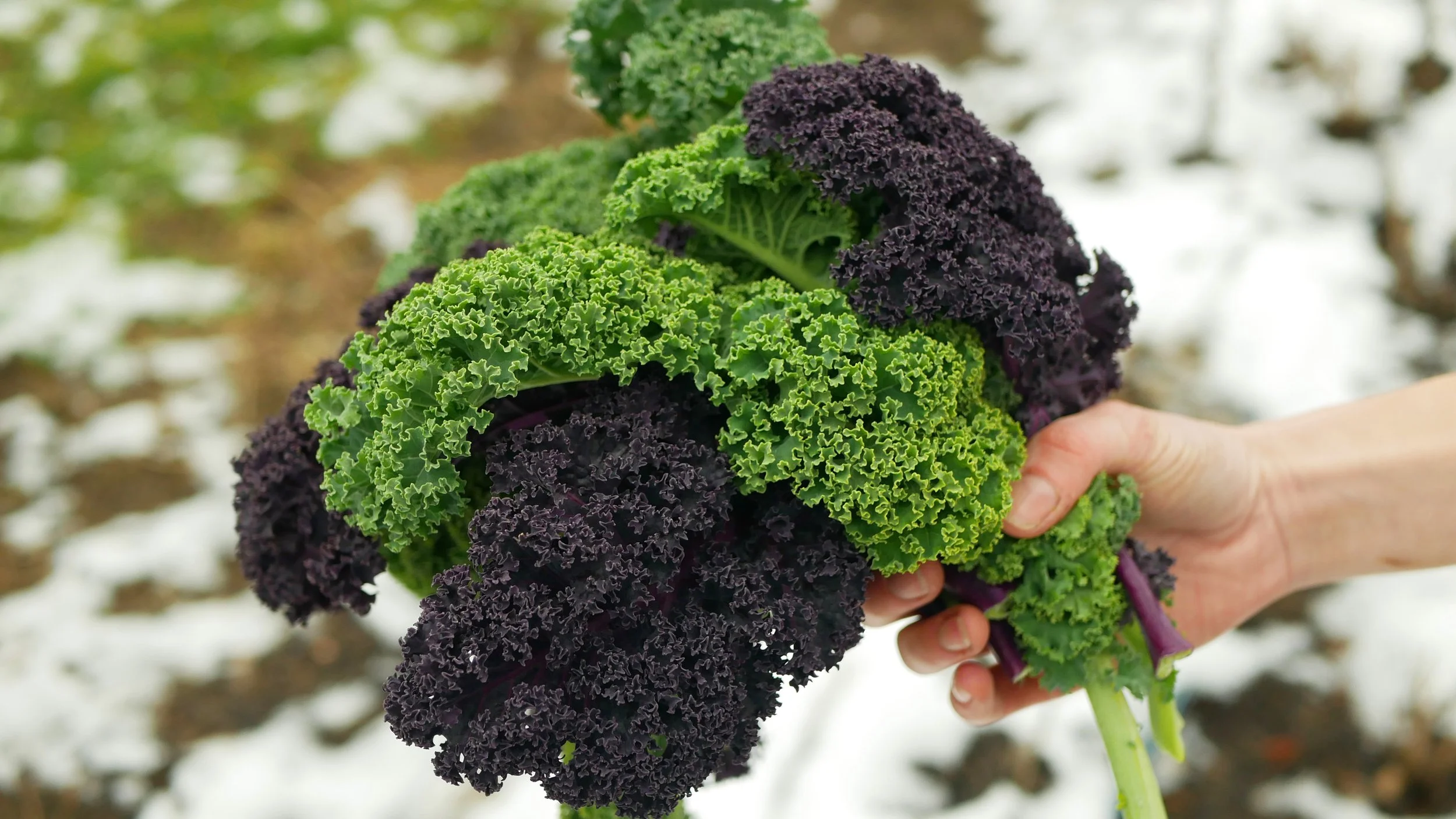
Early experimentation with multiple snowflake-rated greens can help growers identify what thrives best in their microclimate. Many find that Claytonia, for example, becomes a dependable component of winter salad mixes.
Timing Winter Plantings
As days become shorter, darker, and cooler, plants receive significantly less energy for growth. Coleman recommends timing plantings so crops reach near-maturity before day length drops below 10 hours.
In the Asheville area, the “short-day period” typically spans from Thanksgiving through mid-January.
Planning for crops that will follow fall-planted varieties is also essential—having transplants ready ensures the cold frame is never empty, maximizing the structural investment.
Double Layers Improve Productivity
Steve Moore of the Center for Environmental Farming Systems (CEFS) has demonstrated the benefits of using two layers of protection within cold frames.
Many growers use row cover over hoops for this inner layer. Moore, however, often prefers to use greenhouse plastic as the second layer. Because plastic does not breathe, it must be pulled back on sunny days to avoid overheating.
Using Hoops to Protect Crops
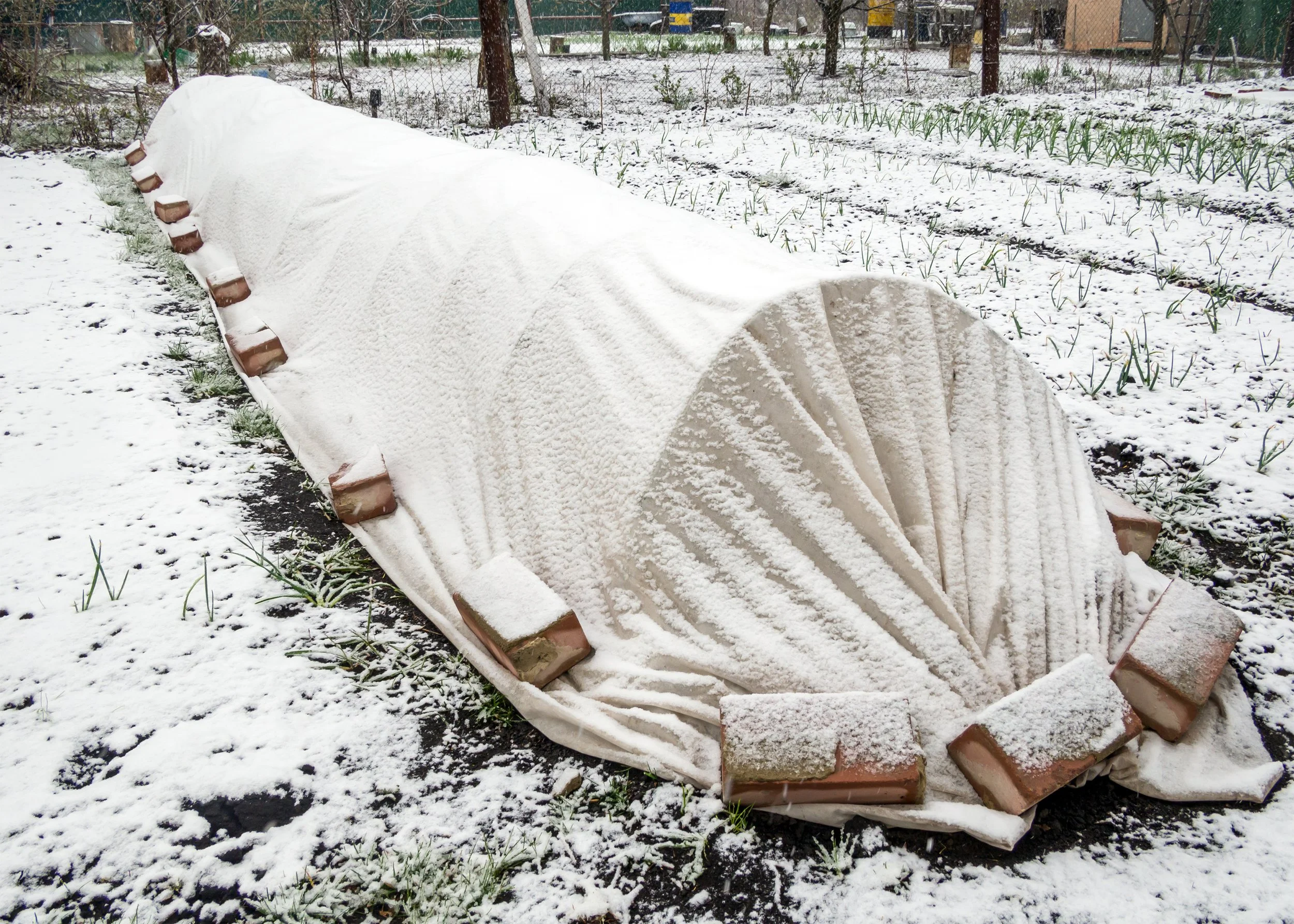
Hoops are essential to support the inner row cover. On cold nights, the fabric can freeze, and wherever it touches the foliage, it may scorch the crop. Many growers use high-tensile wire for hoops—often the natural curve of the wire roll provides the perfect arc once cut. Placing hoops every 5 feet and offsetting them between adjacent beds improves stability. Small weights on one side of the row cover also make handling easier.
For growers interested in additional construction options, NC State Extension’s Extension Gardener Handbook (Appendix E: Season Extenders and Greenhouses) provides detailed, research-based guidance on cold frame design, hoop construction, and inner-layer management.
Another alternative is to use fiberglass rods or other flexible supports, which are often available at local nurseries such as Reems Creek Nursery.
Winterizing Irrigation Systems
Before temperatures dip into the 20s, irrigation lines must be winterized.
Key considerations:
Hoses eventually thaw but may remain unusable for weeks.
PVC pipes typically rupture when frozen.
Installing a drain at the lowest point and allowing air entry at the highest point can prevent freezing damage.
A frost-proof hose bib and burying supply lines deeper than two feet help ensure winter reliability.
Protecting Cold Frames from Snow Load
Based on grower experience and past OGS conversations, the following strategies reduce the risk of snow damage:
A gothic-arch cold frame sheds snow more effectively than a quonset shape.
Four-foot hoop spacing offers stronger resistance than wider spacing.
Avoid drilling into hoops; use clamp-style brackets to maintain structural strength.
Ensure the structure is firmly anchored to prevent wind lift.
Brace the end walls outward so the snow load does not pull them inward.
Keep portable heaters or other tools available to melt snow beneath the top layer for easier removal.
Install center posts (4x4 or larger) for additional support.
Use a rigid pad beneath posts to prevent them from sinking into soft ground.
Keep extra brooms and a communication plan ready for heavy snow events.
Exercise caution—cold frames can collapse suddenly if snow load exceeds structural capacity.
Seasonal Outlook
NOAA’s long-range projections for this region historically trend toward winters with average precipitation and, in many years, warmer-than-average temperatures—conditions that may ease snow-related pressures on season-extension structures.
Happy growing!
This blog post, written and copyrighted by Tom Elmore, was originally published as part of a previous Organic Growers School article series called "Ask Tom," which addressed the growing concern. Some updates may have been made by OGS staff to keep the content current.