The 2026 Spring Conference Cooking Track
Cooking the Crops of Western North Carolina
Food connects us to land, culture, and community. At Organic Growers School’s 2026 Spring Conference, the Cooking Track returns—offering immersive, hands-on culinary experiences.
After a year when Helene-impacted programming limited our cooking offerings, we’re returning in 2026 with renewed energy and a thoughtfully designed lineup bringing food from seed to table and past to present.
This year’s Cooking Track centers on a simple idea: understanding our food requires knowing its origins. Partnering with Terri Terrell, Culinary Director for the Utopian Seed Project, the track features thematically linked, 90-minute classes blending culinary history, regional crop knowledge, and hands-on cooking.
Each class offers participants the chance to prepare a recipe together—learning not just techniques, but also the stories, traditions, and agricultural context behind the ingredients. You’ll cook, taste, and take home what you make, along with new ideas for using local and culturally significant crops in your own kitchen.
Classes That Tell a Story
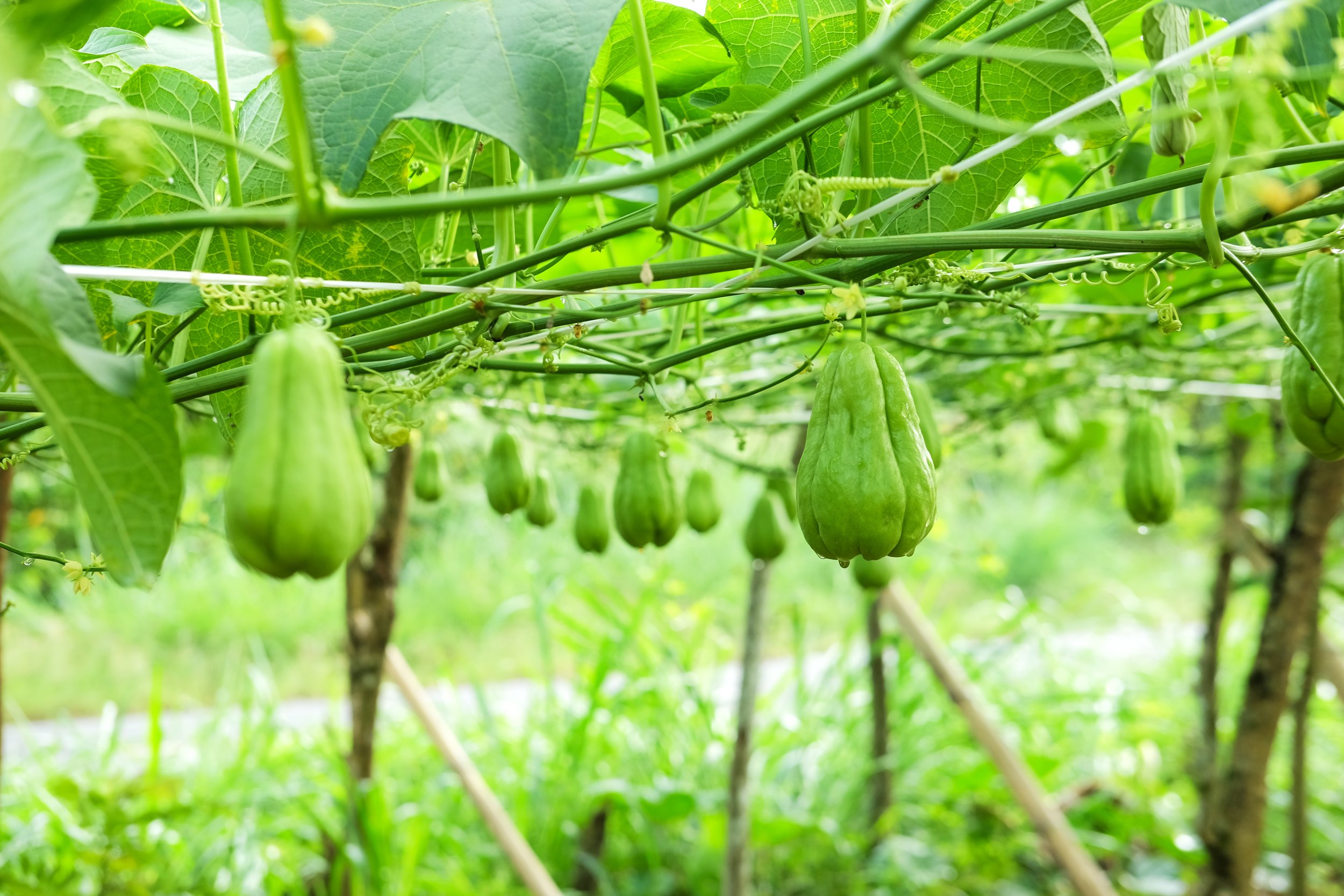
Chayote: History, Cooking, and Preservation
Hands-on prep and preservation for chayote.

Sorghum Grain: From Seed to Table
Discover sorghum’s path from field to kitchen.
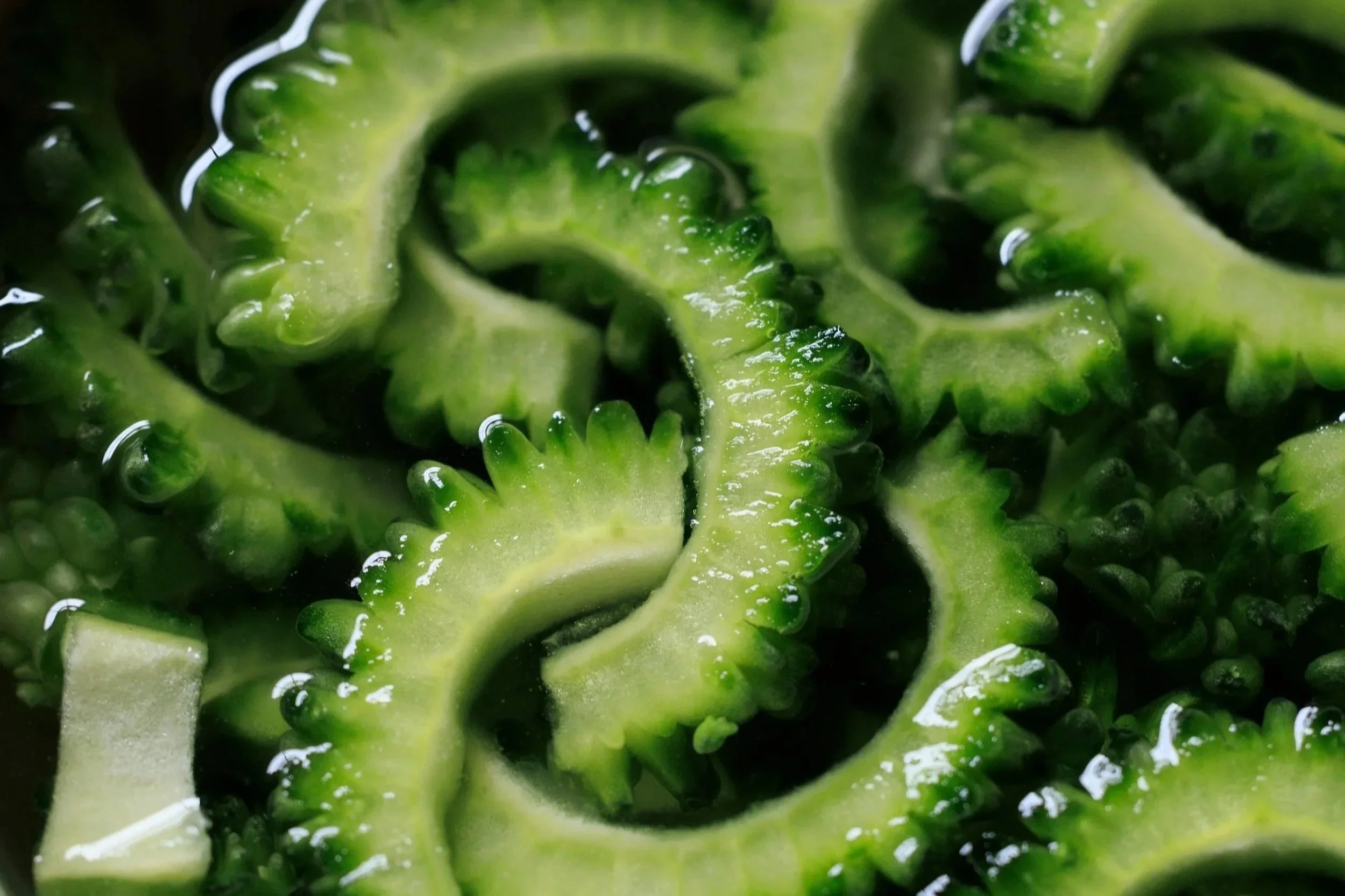
Bittermelon: Medicinal and Culinary Uses
Learn bittermelon's culinary and medicinal uses.

Cross-Cultural Roots and Recipes of the Peanut
Uncover how peanuts are used across cultures and cuisines.
Each class highlights crops that grow well in Western North Carolina while honoring the cultures that have stewarded these foods for generations.
Go Deeper with Friday Pre-Conference Workshops
For those who want to immerse themselves even further, Friday pre-conference workshops offer extended, hands-on learning opportunities:
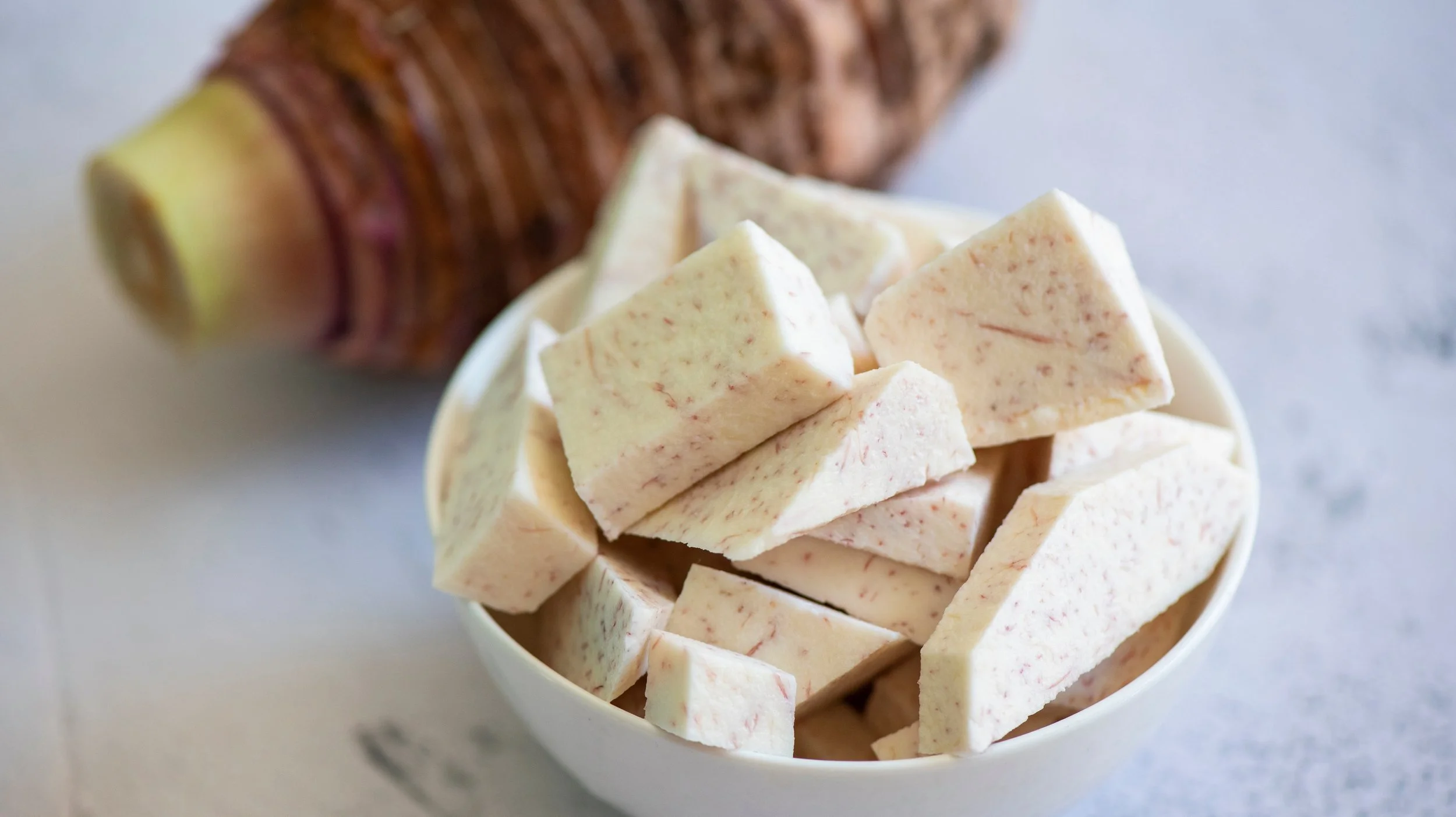
Appalachian Roots: Growing and Cooking with Taro
Spend a full day learning taro’s agricultural and cultural history, how to grow and store it in WNC, and how to safely prepare it for the table. Participants will explore varieties, discuss cultural traditions, and even take home plants to grow.Food Preserving to Care for Self and Community
Preservation isn’t just practical—it’s deeply connected to care, resilience, and community nourishment. This full-day workshop covers techniques like lacto-fermentation and hot-water bath canning, while exploring how food preservation supports emotional, cultural, and spiritual well-being.
Food, Fellowship, and Celebration
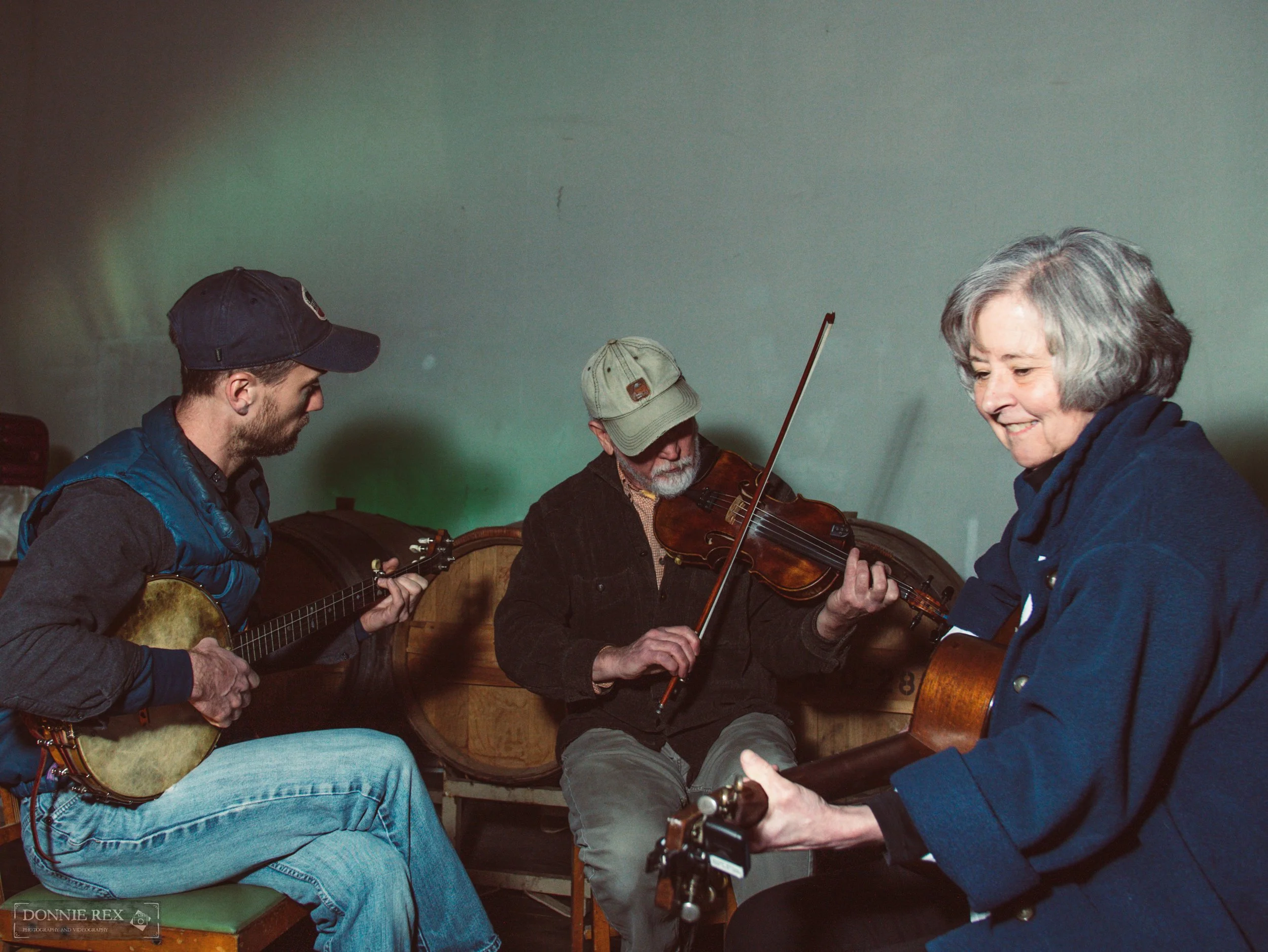
Food doesn’t stop in the classroom. Anyone attending the Saturday Social will also have the opportunity to keep the conversation going and develop community connection.
Why the Cooking Track Matters
At OGS, cooking is essential—tied to farming and gardening. Preparing, preserving, and sharing food connects growing to eating and honors cultural heritage, supporting local food systems.
Whether you’re a farmer, gardener, cook, or simply someone who loves good food and meaningful stories, the Cooking Track offers a rich, hands-on way to engage with the crops and communities of Western North Carolina.
Join us at the 2026 Spring Conference Cooking Track—register now and be a part of this vibrant food community!