
Tracks & Classes
Explore over 32 workshop descriptions from the 2026 Spring Conference
Thanks to all of our sponsors, exhibitors, participants, speakers, and volunteers for making the 2026 conference such a success.
Stay tuned for 2027 dates and classes in the coming months!
Friday Preconferences: Full- & Half-Day Workshops
Classes on March 6 are at Asheville-Buncombe Technical College and other locations and occur between 9:00 a.m. and 5:00 p.m.; check the registration link for specifics.
Half-Day Workshops
-
with Joel Dufour
This course explores the availability, applicability, and proper use of various walk-behind and handheld small-farm and gardening equipment. Participants will learn about tool and machine construction, ergonomics, applications, and maintenance, enabling them to make informed decisions when selecting equipment for their gardening and farming needs. -
with Nigel Palmer
Learn about plant soil ecosystems, human interventions, and homemade mineral amendments. Participants will create these amendments using simple recipes and analyze various final products. Nigel will also discuss a worksheet regarding sustainability and regenerative agriculture. Attendees are encouraged to bring their curiosity, questions, and a friend. -
with Ellie Irons
This workshop offers a hands-on experience in foraging and paint-making with wild plants found in urban environments. Participants will take a mindful foraging walk and then work with Ellie to create plant-based watercolor hues to paint postcards and other creative imagery of their choice.
-
with Natalie Bogwalker & Chloe Lieberman
Learn how to garden with less stress and more joy using permaculture principles and no-till techniques. Participants will learn about cover cropping, solarization (occultation or “tarping”), sowing early spring crops, starting seeds indoors, transplanting, and take home a seed tray to begin their spring garden. -
with Nancy Basket
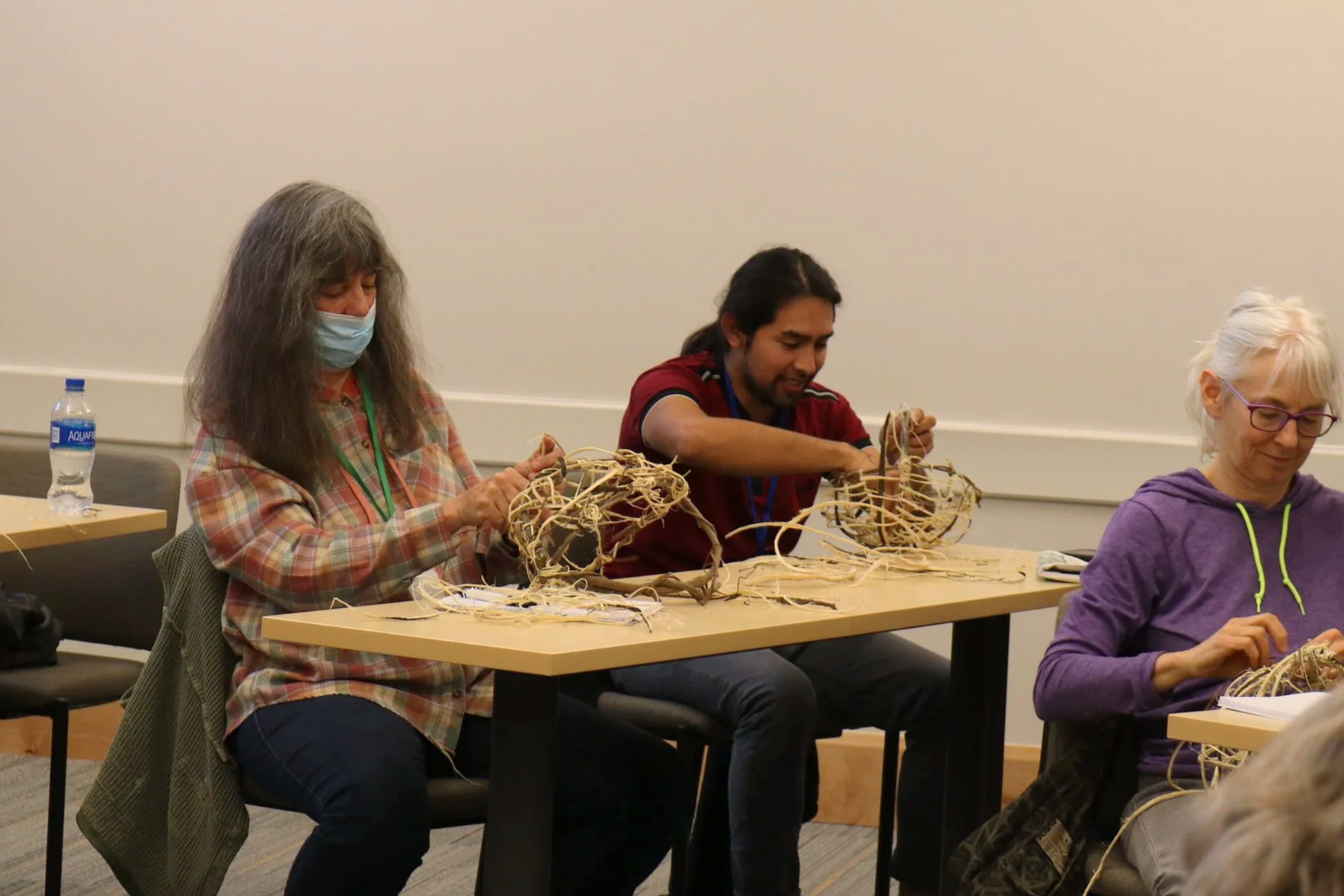
In this three-hour class, attendees will create a ribbed basket using Kudzu, Wisteria, Honeysuckle, and other materials. Discover additional uses for Kudzu, including buildings, textiles, paper, and food. -
with Christopher Parker
Discover how mushrooms can help build living, fertile soil. In this 4-hour hands-on workshop, participants will learn about fungi's role in transforming organic matter and nourishing plants. The class will explore mushroom cultivation techniques and inoculate straw with mycelium to take home and grow their own mushrooms. -
with Margaret Bloomquist & Jeanine Davis
Explore forest farming site selection, propagation, production, and harvest planning using practical, proven forest farming tools, tricks, and resources. Real-life examples, experience, and hands-on demonstrations will showcase how these tools come to life for forest farmers and stewards in the region.
Jeanine Davis and Margaret Bloomquist sponsored by New Society Publishers

Chris Parker sponsored by Chelsea Green Publishing
Natalie Bogwalker sponsored by Storey Publishing

Joel Dufour sponsored by Earth Tools

Full-Day Workshops
-
with Shawn and Beth Dougherty
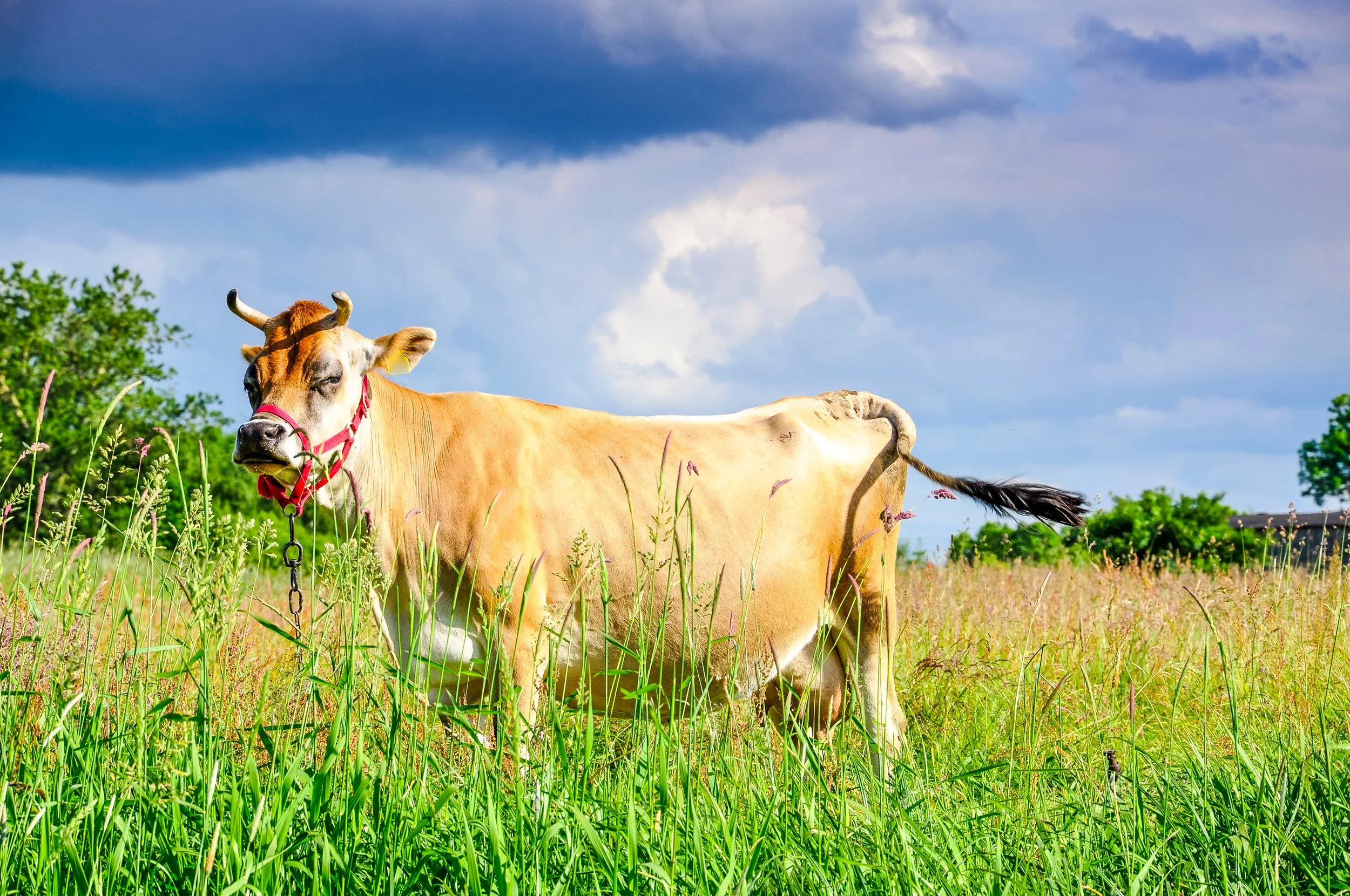
Shawn and Beth, authors of The Independent Farmstead and One Cow Revolution, guide participants in selecting and caring for a pastured dairy cow. They discuss grazing, milking, shelter, breeding, calf care, and various uses for milk, including creating fermented dairy products and nourishing livestock and gardens. -
with Ashley English & Julia Skinner
Preservation can be central to self-care and mindfulness practices while reducing food waste and feeding our communities. Ashley and Julia will walk participants through food preservation skills such as lacto-fermentation and hot-water bath canning while exploring how these practices nourish us emotionally, culturally, and spiritually.
-
with Awo Amenumey & Chris Smith
Understand taro’s cultural and agricultural history. Learn how to grow and store taro in WNC. Explore varieties and plant some taro to take home! Identify the toxic properties of raw taro and explore safe cooking methods. Explore taro’s role in cultural rituals, staple diets, and community food traditions around the world.
Shawn and Beth Dougherty sponsored by Chelsea Green Publishing
Ashley English and Julia Skinner sponsored by Storey Publishing
Classes on March 7 and 8 will be held at Mars Hill University.
Classes occur between 9:00 a.m. and 6:00 p.m.; check the schedule for specifics.
Saturday & Sunday: Classes by Track
Alternative Gardening Techniques

-
with Chris Smith
This class caters to curious gardeners, teaching them about seed and flower botany, cross-pollination techniques, and practical gardening tools. Participants will learn to encourage plant adaptation and diversity, helping them breed ideal plants and address climate change-related challenges effectively. -
with Mark Dempsey
Learn how to use cover crops effectively on smaller scales. The session will explore the numerous benefits of cover crops, their applications for various goals, and strategies for successful management with minimal equipment. This workshop emphasizes the versatility of cover crops for all scales of farming. -
with Michael Rayburn
This session introduces ginger and turmeric growing, empowering participants of any experience level to cultivate these crops with confidence and practical knowledge. -
with Craig Mauney
Cultivating native pawpaw trees involves understanding propagation, site selection, and orchard management. This class emphasizes the importance of soil, water, and sunlight while mimicking the tree’s natural habitat. It also explores the transition to fruit production, pest management strategies, and effective fruit harvesting techniques to ensure a successful crop.
Track sponsored by Fifth Season Gardening
Cooking

-
with J Chong
Bittermelon, known in many Asian, African, and Caribbean cuisines, is gaining ground in Appalachian gardens through cultural exchange and climate adaptability. This class introduces participants to the nutritional and medicinal benefits of bittermelon, explores its traditional uses, and teaches preparation techniques that balance its unique flavor. -
with Casey Ruiz
Spanning from MesoAmerica to Southern Italy and the Philippines, participants will delve into the rich history and diverse uses of chayote, a versatile gourd. The class will learn preservation techniques such as pickling, fermenting, and dehydrating. Discover chayote's adaptability to WNC's climate and enhance culinary skills. -
with Awo Amenumey
Most people are familiar with peanuts—roasted, salted, or turned into butter—but the raw peanut has a long history as a fresh legume. This class covers its African origins and adaptation in WNC. Participants will handle fresh peanuts, taste them raw and boiled, and learn techniques to preserve their flavor. -
with Tiffany Schultz
More than just molasses, sorghum as a grain has rich histories in African, Appalachian, Indian, and Indigenous American foodways. Learn how sorghum’s resilience makes it a climate-smart crop for farmers. Taste & discover multiple preparation methods to enjoy as a popped treat, a hearty fermented porridge, or milled into gluten-free flour.
Earth Stewardship
-
with Liel Green
This session explores Shabbat, the ancient Jewish practice of resting every seventh day, as a framework for regenerative rest. Whether or not participants come from a Jewish background, Liel illustrates how this sacred rhythm offers valuable insights for resisting burnout, setting boundaries, and reconnecting with land, self, and community. -
with Stesha Warren
Join Stesha to explore Forest Farming, an agroforestry practice that cultivates crops under a managed tree canopy. This class covers design considerations, benefits, challenges, and common crops. Participants will gain foundational knowledge and actionable ideas to apply forest farming on their land, along with resources for further learning. -
with Shawn & Beth Dougherty
Holistic grazing offers improvements in land and food production opportunities for all homesteaders. By utilizing perennial polycultures with ruminants, secure and organic food communities can be established. The authors of The Independent Farmstead provide insights into management-intensive rotational grazing for small-scale applications. -
with Thomas Leonard
Water is crucial for life and development, but overabundance can cause harm. This class teaches how to manage water in landscapes, focusing on conservation techniques such as ponds, berms, and swales, as well as stream bank restoration, to promote sustainable growth and prevent erosion.
Shawn and Beth Dougherty sponsored by Chelsea Green Publishing
Track sponsored by Sugar Hollow Solar

Farming Business

-
with Susanne Hackett & Gina Raicovich
Starting the search for that ideal farm or homestead property? This workshop simplifies the land-seeking process for participants by offering guidance in building relationships with realtors, searching for financing, assessing land resources, and identifying property pitfalls—ultimately enhancing the effectiveness of their search and supporting informed decision-making. -
with Shawn & Beth Dougherty
Are you looking to establish a fertile, healthy homestead, a profitable business, or both? Which one should come first? Shawn and Beth will discuss what it takes to build a sustainable economy through regenerative land management and local, human-scale commerce. They also share experiences in marketing farm products, services, and hospitality. -
with Dan Gagnon
A successful farm thrives on data for informed decisions. Dan from Broadfork Farm teaches accessible methods for recording essential data and developing effective habits. He shares how to utilize gathered information, even during hectic workdays, to enhance farm operations and make informed choices that improve productivity and efficiency. -
with Noah East
In just three years, Wild East Farm has established a successful no-till market garden, generating over $100k in vegetable sales from a 1/3-acre plot. The team employs techniques like deep compost mulch and cover cropping, maximizing productivity while keeping a manageable schedule. Noah will share valuable insights on efficient growing methods. -
with Shawn & Beth Dougherty
Sustainable, grass-based food production requires minimal land and can utilize even small, neglected areas. Families can thrive in a system that includes grass-fed ruminants, dairy, and multispecies farming. This approach can free farmers from reliance on grain-based agriculture, allowing them to protect and enhance natural resources while ensuring food security.
Track Sponsored by Tend & Southern SARE

Daniel Gagnon sponsored by Certified Naturally Grown
Shawn and Beth Dougherty sponsored by Chelsea Green Publishing
Farming Production
-
with Pam Dawling
Participants will explore a step-by-step approach to mastering crop planning for profitable and sustainable vegetable production. They'll gain essential tools for managing income, markets, and scheduling while discovering strategies to optimize yield and refine their practices. Join to enhance your farming skills and ensure a rewarding, eco-friendly livelihood! -
with Maddie McCann & & Rebecca Vann
Discover the unique blend of agricultural therapy principles and volunteer management strategies on a working farm. The workshop covers practical approaches to recruiting, orienting, training, and supervising volunteers, as well as techniques to motivate and retain them, fostering a supportive and cohesive community within the program. -
with Leonora Stefanile
Diversify your farm’s offerings by growing cut flowers! Learn which tried-and-true varieties thrive in Southern Appalachia and beyond, how to harvest cut flowers, post-harvest handling, floral arranging basics, and about different sales channels. Explore how native flowers can enhance farm aesthetics while also attracting pollinators to support your farm ecosystem.
-
with Daniel Gagnon
Participants will gain systematic problem-solving and troubleshooting skills for diagnosing plant diseases. They will learn to use available tools and technologies to achieve accurate identification. This knowledge is crucial for preventing crop losses, supporting short-term mitigation efforts, and ensuring long-term farm success and profitability.
Track Sponsored by Southern SARE
Daniel Gagnon sponsored by Certified Naturally Grown
Pam Dawling sponsored by New Society Publishers
Gardening

-
with Leah Webb
Leah will discuss the benefits of her 315 square foot greenhouse for home gardening. She will cover options, construction considerations, and greenhouse-specific techniques. Participants will learn how to extend growing seasons, enhance cool season crops, and grow healthier seedlings, ultimately achieving higher yields with less effort. -
with Mark Davis
Participants will learn the fundamentals of compost and vermicompost production, their soil applications, and methods for effective application in both small and large-scale operations. This technical demonstration will provide essential knowledge for enhancing soil health through organic amendments.
-
with Natalie Bogwalker & Chloe Lieberman
Not all permaculture plants are perennials! Learn about common and unusual garden stars that can bring whole-systems thinking and innovative design into the annual vegetable garden, making things easier and more fruitful.
-
with Pam Dawling
This workshop focuses on growing Asian greens both outdoors and in hoophouses, offering valuable insights for market and home growers. It covers over 20 varieties, succession planting, pest management, fertility, weed control, and harvesting techniques, helping you grow nutritious greens quickly and efficiently for great returns.
Track sponsored by WNC Magazine

Natalie Bogwalker and Leah Webb sponsored by Storey Publishing
Pam Dawling sponsored by New Society Publishers
Mushrooms

-
with Olga Katic
Rediscover the art of mushroom cultivation with Olga from Mushroom Mountain. This hands-on talk focuses on simple, low-tech methods that promote harmony with nature. Learn how to grow mushrooms that nourish both people and the planet, stepping away from sterile grow rooms and high-tech setups. -
with Christopher Parker
Discover the medicinal properties of six lesser-known mushrooms native to the eastern woodlands. A few mushrooms that the class will discuss are Schizopyllum, milky mushrooms, and birch polypore. Under the guidance of an experienced mycologist, they will learn about the antibiotic, antioxidative, and anti-inflammatory properties of these fascinating species. -
with Samuel Blackstone
Explore the health benefits of medicinal mushrooms and cultivate them organically with Sam of Mindfull Mycology. Learn how to extract medicinal compounds at home or with state-of-the-art extraction equipment and how to weed through the crowded marketplace to find a high-quality medicinal mushroom product. -
with Kenny Rupert
New to mushroom identification or looking to enhance skills? Participants can join experienced mushroom forager Kenny as he covers the basics of identifying wild mushrooms. They will also learn about safety and ethical considerations for foraging and gain knowledge about a few specific edible species.
Chris Parker sponsored by Chelsea Green Publishing
Native Plants & Wildscaping

-
with Brannen Basham & Jill Jacobs
In this workshop, participants will explore the nearly 4,000 native bee species in North America. They will learn about the habitats these fascinating pollinators need and discover simple gardening practices to support them. Supporting native bees can significantly benefit local ecosystems and beneficial wildlife. -
with Elspeth Hay
Ever wondered what the heck is wrong with human beings? In this workshop, participants will explore humanity's historical role as ecosystem engineers. They will learn how to create habitats that benefit various species by identifying and working with keystone plant allies, fostering a deeper connection to the planet. -
with Megan Riley
Wildflower gardens can be stunning when the right plant pairings, structure, seasonal colors, and maintenance are all taken into account. Megan's mission is to make native gardening appealing to a wider audience by showcasing its beauty. Discover how to achieve this through effective design techniques and real-life examples. -
with Alyson Wade
Enhance skills in native plant propagation through practical techniques for home or field use. Explore seed stratification, scarification, germination, and pest management, all while focusing on ecological restoration and biodiversity. This opportunity is ideal for gardeners, growers, and restoration enthusiasts looking to deepen their understanding and expertise in plant propagation.
Track Sponsored by The Farm Connection
Elspeth Hay sponsored by New Society Publishers
Permaculture
-
with Luke "Gribley" Costlow
This class offers a framework for those unsure about starting with their land. Participants will learn to observe, interpret, and design in accordance with nature's logic, enabling them to move beyond guesswork and create thriving landscapes that reflect the environment's qualities. Take a step toward confident and effective land management. -
with Shawn Swartz
Silvopasture involves the intentional integration of trees and pasture to benefit livestock. The course addresses both additive practices—such as planting trees in existing pasture—and subtractive methods, such as thinning forests to enhance grass growth. The emphasis is mainly on additive techniques for effective and sustainable livestock management in agroforestry systems. -
with DeLesslin "Roo" George-Warren
Roo will share stories and lessons from work with his tribe's food system, offering a Catawba perspective on permaculture, ecology, and renewal. Participants will gain a deeper appreciation for place-based knowledge, the living relationships that sustain people and land, and perhaps some clarity around cultural appropriation in permaculture. -
with Brandy Hall
Explore practical, permaculture-based strategies for designing landscapes that effectively manage water. Participants will learn to restore the water cycle, utilize earth contouring techniques, select appropriate plants, and enhance soil fertility. It's ideal for landowners, designers, and sustainability enthusiasts seeking to create climate-resilient ecosystems.
Plant-Based Wellness

-
with Kat Maier
Energetic Herbalism focuses on recognizing patterns in nature and relating plant energetics to individual imbalances. It enhances our inner landscape by observing harmony and disharmony in nature. The practice supports self-regulation in the body and aligns herbal properties with physical health, fostering a deep relationship between herbalists and the land. -
with Amber Fleming
Eat the Weeds is a practical workshop that teaches participants to identify, harvest, and prepare edible and medicinal yard weeds. Attendees will explore their nutritional benefits, sample wildcrafted foods and beverages, and gain the confidence to transform their backyards into sources of food and medicine. -
with Selima Harleston Lust
Learn how bitter herbs support digestion, liver function, and emotional balance. Participants will explore key bitter plants and vegetables, how to prepare them, and simple ways to incorporate bitters into daily life for more grounded, holistic wellness. -
with Asheley English
Participants discover five preventive remedies for back-to-school and cold season. The class covers the ingredients and preparation of elderberry honey syrup, fire cider, cough syrup, mustard bath, and decongestant balm, equipping attendees to support wellness and help ward off illness.
Track Sponsored by Mountain Rose Herbs
Soils

-
with Mark Dempsey
Farming in the Southeast presents challenges due to old, weathered soils. Building organic matter and fostering relationships with beneficial microbes through cover crops are low-investment, high-return strategies. This presentation will highlight the symbiotic relationship between farmers, soil biology, and crops, emphasizing the importance of integrating soil health priorities into management. -
with Leah Webb
Understanding soil health is crucial for successful gardening. Carbon storage is vital, and utilizing natural processes can enhance soil nutrition. Regenerative practices such as minimizing soil disturbance, covering soil, promoting year-round living roots, diversifying plantings, and integrating livestock can significantly improve garden soil quality. -
with Jason Roland
Participants will focus on biological soil amendments and inputs, and learn about broad-spectrum amendments that support soil health, as well as specific remedies for flooded and depleted soils. The workshop will highlight ways to enhance the soil biome and include a special compost tea recipe for attendees. -
with Pat Battle
Compost is a vital element of organic production. While managing a thermophilic pile can be challenging, strategic timing and knowledge can help. Alternative methods, such as vermicomposting, offer constant results. Additionally, sheet composting, often overlooked by growers, presents remarkable potential for enhancing soil health and fertility.
Leah Webb sponsored by Storey Publishing
Track sponsored by WNCW 88.7

Sustainable Living

-
with Josh Kearns
Participants will explore the "pleasant, safe, and healthy" framework for assessing water sources and treatment strategies. They will gain insights into scientific and engineering principles of decentralized water treatment, and learn about biochar's properties and its role in removing harmful chemicals from water. -
with Everest Holmes
Participants will explore bamboo's ecological role, distinguishing it from invasive species, and learn sustainable harvesting and treatment methods. They will discover various processing pathways—such as construction and composting—and how to integrate bamboo into regenerative agroforestry systems for semi-wild homestead landscapes, maximizing its utility and benefits. -
with Dan Hettinger
Explore the art and science of soapmaking using natural fats and oils, emphasizing waste reclamation. Participants will enjoy engaging storytelling, learn basic chemistry concepts, and perform oil titration for saponification value. Create a small batch of soap to take home, making chemistry practical and relatable. -
with Lucy Perry & John Milner
Lucy and John will provide an overview of solar-electric basics and the mainstream off-grid solar approach. The class will focus on the Daylight Drive system, explaining its application for homestead and farm power needs. Participants will receive resources to continue exploring the installation of these systems on their properties.
Track Sponsored by Madison County TDA